
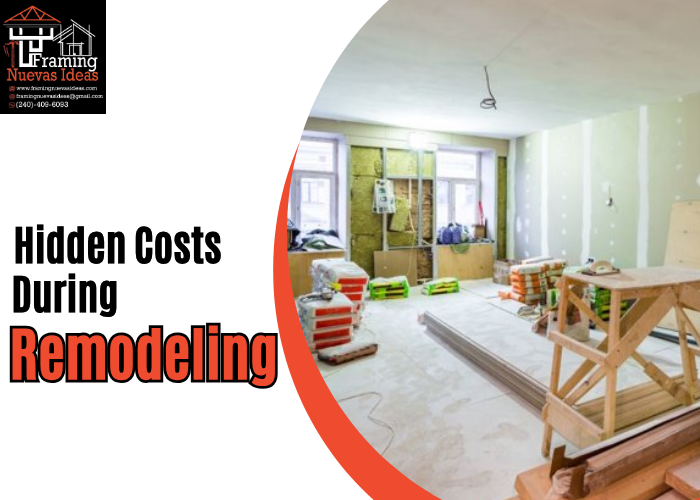
Remodelling of the home is exciting. You may even renovate a kitchen, a bathroom, or the entire house to have a different appearance. However, in addition to the materials used and the design, there are hidden costs that many people face. Being aware of remodeling hidden costs may lead to less frustration, delays, and unnecessary spending.
What Are Remodeling Hidden Costs?
The remodeling hidden costs are expenses that are not immediately visible at first glance in planning. They are based on such things as structural issues, unexpected repairs, and unanticipated paperwork. Although you may intend to paint the cabinets and floor, you can create hidden expenses without considering them.
These expenses are commonly found in some areas, which include:
- Structural repairs: Rotting beams, damaged joists, or foundation problems discovered during demolition.
- Electrical or plumbing upgrades: Older homes may require rewiring, new circuits, or plumbing replacements to meet current safety codes.
- Permits and inspections: Local regulations often require permits for major renovations, and skipping them can result in fines.
- Material substitutions: Sometimes, chosen materials are out of stock, requiring upgrades that increase costs.
- Unexpected design changes: Once work begins, homeowners often decide to add features, which can add additional charges.
The Importance of Planning for Hidden Costs
It is not possible to predict all the problems. The research indicates that the so-called hidden costs could reach 10-20 percent of the entire budget. Planning for remodeling hidden costs is not just about financial preparation, but also reduces stress and keeps the project within the planned time.
A reserve fund helps you to respond swiftly to surprises. Individuals with cash reserves against unforeseen expenses have less time wasted, and the operation proceeds without hitches.
Common Hidden Costs in Kitchen Remodels
Kitchen make-ups are difficult and most of the time come with remodeling hidden costs. For example:
- Water or molds can be demonstrated by the removal of an old floor.
- Cabinets can be required to be relocated due to the outdated plumbing or electrical requirements.
- Replacement of the countertop could require structural alteration if the material is dense, such as granite or quartz.
You can plan to prevent such unexpected expenses by anticipating such issues.
Bathroom Remodels and Hidden Challenges
Bathrooms are another area where remodeling hidden costs often appear. Hidden issues may include:
- Leakage pipes at the back of the walls or floors.
- Improvement of ventilation that does not comply with regulations and needs.
- Wet underneath floors or studs requiring replacement.
Uneven minor replacements, such as the replacement of fixtures, can bring out the concealed expenses. Large inspection before dismantling is useful, but unable to identify all.
Flooring, Walls, and Structural Surprises
In the process of repairing floors or walls, homeowners usually discover:
- Sunken subfloors that require leveling.
- Rotting or termite infestation of old houses.
- Non-square walls and additional framing.
These are some of the remodeling hidden costs that become apparent when the work begins. Estimates can be provided by the contractors, although unexpected events occur.
How Contractors Can Help
Experienced contractors can help identify potential remodeling hidden costs in advance. They can see things like water in the walls, outdated wiring, or poor insulation that you will overlook. Talk frequently with them and maintain clear records of the job to prevent surprises and fight and win.
Budgeting for Hidden Costs
Reserve 10-20 percent of the overall budget for unexpected expenses. This ensures that remodeling hidden costs don’t derail your project. Prepare individual activities on inspections, repairs, and design alterations, to ensure that at the end, no one is in a hurry.
Why Transparency Matters
Contractors who provide transparency about possible remodeling hidden costs make projects less stressful for homeowners. When they inform you of any potential expenses, such as new wiring, modification of pipes,s or adding support, then you can make better plans. Positive conversation keeps all people straight and cuts down on frustration in the case of unexpected events.
Final Thoughts
Renovating your home is a rewarding journey, but it’s essential to be aware of the remodeling hidden costs. Additional money can be a result of structural problems or rules. With smart contractors, saved up in case of a change, and a plan, you can complete a project you like with no ugly surprises.
FAQs
1. What are the most common remodeling hidden costs?
Common hidden costs include structural repairs, outdated electrical or plumbing systems, permits, material upgrades, and design changes.
2. How can I prepare for hidden costs in a remodel?
Set aside a contingency fund of 10–20% of your total budget and schedule a thorough inspection before starting construction.
3. Can hidden costs delay my renovation project?
Yes. Unforeseen repairs or design changes can extend timelines. Proper planning and contractor communication can minimize delays.
4. Are remodeling hidden costs more common in older homes?
Absolutely. Homes built decades ago may have outdated wiring, plumbing, or structural issues that surface during renovations.
5. How can contractors help manage hidden costs?
Experienced contractors can identify potential issues early, provide accurate estimates, and communicate transparently to help manage surprises effectively.