
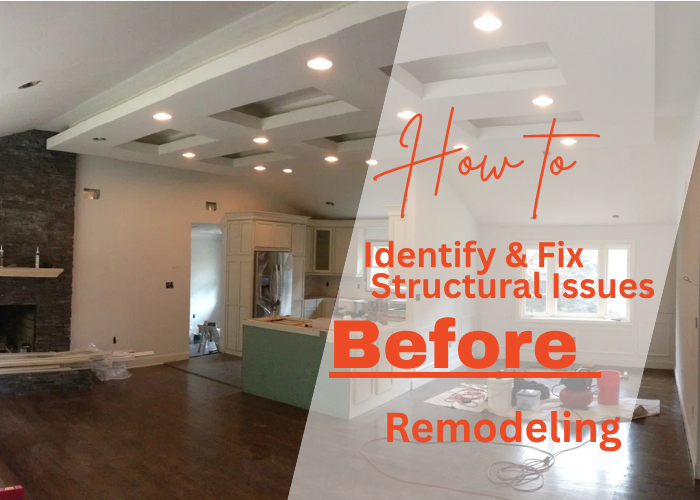
Remodeling your home is an exciting opportunity to create the space of your dreams. However, before you select paint colors or plan your dream kitchen layout, it’s critical to assess your home’s structural integrity. Ignoring hidden structural problems can turn a dream project into a nightmare, leading to compromised safety, failed renovations, and escalating costs. This comprehensive guide will help you identify and address structural issues before they sabotage your remodeling plans.
Why Structural Assessment Matters Before Remodeling
Your home’s structure is the foundation of everything else. It’s the skeleton that holds up walls, supports the roof, and keeps everyone inside safe. When you begin a remodeling project without addressing underlying structural problems, you’re essentially building on a faulty foundation.
Structural issues can cause new renovations to fail, create safety hazards, void warranties, and lead to exponentially higher repair costs down the line. The key to a successful remodel is to tackle structural concerns head-on before cosmetic work begins.
Common Structural Problems to Look For
1. Foundation Issues
Your home’s foundation is literally what everything else rests upon. Foundation problems can develop slowly and silently, which is why they often go unnoticed until significant damage occurs.
Warning signs include:
- Cracks in the foundation (especially stair-step patterns)
- Bowing or leaning basement walls
- Water seepage or dampness in basements or crawl spaces
- Doors and windows that stick or won’t close properly
- Uneven or sloping floors
- Gaps between walls and ceilings
Foundation problems often require professional Structure Repairs to ensure your entire home is safe and stable before proceeding with any remodeling.
2. Roof and Attic Structural Concerns
Your roof isn’t just about shingles and aesthetics—it’s a complex structural system that needs to support significant weight and protect your entire home. Before remodeling, have your Roofing Service professional inspect for structural issues in the attic and roof framing.
Look for:
- Sagging or uneven roof lines
- Water stains or rot in attic framing
- Inadequate ventilation causing moisture buildup
- Damaged or deteriorating rafters and trusses
- Mold or mildew growth
A compromised roof structure can lead to leaks that damage your newly renovated interior, making it essential to address these issues first.
3. Wall and Framing Problems
Walls do more than provide privacy—load-bearing walls support your home’s weight and structure. Problems with framing and walls can compromise your entire home’s safety.
Signs of framing issues:
- Cracks in walls (especially near corners and doorways)
- Bowing or bulging walls
- Leaning or tilting walls
- Gaps between walls and floors or ceilings
- Soft spots or sponginess in wall materials
If your remodeling plans involve removing or modifying walls, professional Framing Service is essential to ensure structural integrity is maintained or improved.
4. Exterior Envelope Failures
Your home’s exterior protects the interior from weather and elements. Failures in the exterior envelope can allow water intrusion, which spreads structural damage rapidly.
Check for:
- Rotted or deteriorating siding
- Missing or damaged flashing around chimneys, vents, and skylights
- Gaps or cracks in the exterior
- Deteriorating mortar in brick or stone
- Damaged or missing caulking
Our Exterior Repairs specialists can identify and address these vulnerabilities, and Siding Exterior Trim work can restore your home’s protective envelope.
5. Window and Door Frame Deterioration
Windows and doors are more than just openings—they’re integral parts of your structural envelope. Rotted frames allow water infiltration and can compromise structural integrity around openings.
Issues to identify:
- Rotted wood around window and door frames
- Water damage or staining
- Difficulty opening or closing
- Gaps between frames and walls
- Visible deterioration or separation
Professional Window Installation and Door Installation services can replace compromised units while maintaining structural integrity.
6. Plumbing and Electrical System Issues
While not strictly “structural,” the systems running through your walls can compromise structure if damaged or failing. Corroded pipes, electrical hazards, and water damage from leaks can weaken framing and create safety issues.
Our Plumbing and Electrical professionals can assess these systems and address any issues before they become structural problems.
Step-by-Step Process to Identify Structural Issues
Step 1: Conduct a Professional Inspection
Start with a comprehensive home inspection from a qualified professional. They’ll examine both visible areas and hidden spaces, using experience and specialized equipment to spot problems you might miss.
Step 2: Obtain Any Relevant Documentation
Gather previous inspection reports, insurance claims, permits for prior work, and any repairs you’ve had done. These documents often reveal recurring issues or areas of concern.
Step 3: Document Current Conditions
Take photos and notes of any signs you’ve noticed—cracks, water stains, misaligned doors, etc. Track seasonal changes, as some structural issues become more apparent during certain times of year.
Step 4: Get Specialized Evaluations
Depending on initial findings, you may need specialized inspections. A structural engineer can provide detailed analysis, moisture specialists can assess water intrusion risks, and foundation experts can evaluate foundation integrity.
Step 5: Prioritize and Plan Repairs
Not all structural issues are equally urgent. Work with professionals to prioritize repairs based on safety, severity, and how they impact your remodeling plans.
Common Structural Repairs Before Remodeling
Foundation Stabilization
Foundation issues must be addressed before any remodeling begins. This might involve underpinning, crack repair, drainage improvements, or waterproofing. Our Structure Repairs team can ensure your foundation is solid.
Roof and Framing Restoration
If your roof has structural damage, it must be repaired before interior work. This includes replacing damaged trusses, repairing rot, and addressing ventilation issues. Trust our Roofing Service professionals for comprehensive assessment and repair.
Water Damage Remediation
Water intrusion is one of the most damaging issues for homes. Identify and repair the source first, then address any resulting rot or structural damage. This is often a multi-specialist job involving Exterior Repairs, Plumbing, andstructural assessment.
Framing and Load-Bearing Wall Repairs
If load-bearing walls are compromised, they must be reinforced or replaced before proceeding with remodeling. Our Framing Service experts understand the critical importance of load-bearing walls and can execute repairs safely.
Exterior Envelope Restoration
Sealing your exterior envelope prevents future water intrusion. This includes Siding Exterior Trim work, new Window Installation, and Door Installation to ensure weather-tight protection.
System Updates
Aging or failing Plumbing and Electrical systems should be updated or replaced before walls are closed back up during remodeling.
The Cost-Benefit Analysis
Yes, addressing structural issues before remodeling adds upfront costs. However, consider this:
Avoiding structural repairs leads to: Failed renovations, safety hazards, exponentially higher repair costs, project delays, health risks, decreased home value, and difficulty obtaining homeowners insurance.
Addressing issues upfront leads to: Long-term home stability, safe living conditions, successful remodeling projects, better value for renovation investments, increased home value, and peace of mind.
The math is clear—investing in structural repairs before remodeling is always the smarter choice.
Working with Qualified Professionals
Before your Renovations begin, ensure you’re working with experienced, licensed professionals who specialize in structural assessment and repair. This includes structural engineers, foundation specialists, roofing experts, and experienced contractors.
Don’t let cost-cutting measures on structural work compromise your home’s safety and your remodeling project’s success. Quality work in these areas pays dividends for years to come.
Preparing for Your Remodeling Project
Once structural issues have been identified and addressed, you can move forward with confidence. Your foundation is solid, your systems are reliable, and your home is safe. Now you can focus on the exciting parts of remodeling—selecting materials, choosing color schemes, and creating the home you’ve always wanted.
A successful remodel begins with a sound structure. Take the time to identify and fix structural issues before remodeling, and you’ll enjoy a beautiful, safe home that will stand the test of time.
Conclusion
Structural integrity is not something to overlook or postpone. Before you invest in any remodeling project, conduct a thorough assessment of your home’s structure. Identify problems, prioritize repairs, and work with qualified professionals to address them. The foundation of your remodeling project is literally the structure of your home—make sure it’s solid before you build your dreams on top of it.