
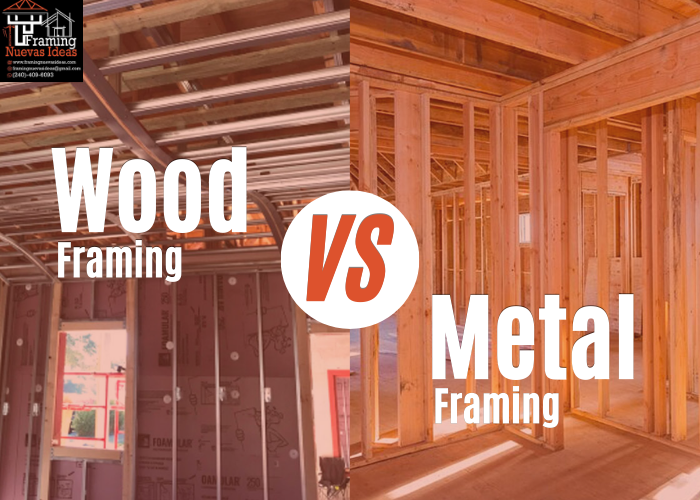
When building or renovating a home in Indiana, one of the most critical decisions involves choosing the right framing material. Wood and metal (often steel) framing each offer unique advantages and drawbacks, influenced by factors like cost, durability, and local climate conditions. As experts at Framing Nuevas Ideas emphasize, the choice ultimately depends on your specific needs, budget, and long-term goals for the property. Whether you’re constructing a new residence or upgrading an existing structure, understanding these options—along with integrating essential elements like framing services early in the process—can ensure a solid foundation that stands the test of time.
Understanding Wood Framing
Wood framing has been the traditional choice for residential construction in the United States for centuries, particularly in regions like Indiana where it’s readily available and aligns with most building codes. Typically made from lumber such as pine, spruce, or fir, wood studs form the skeleton of walls, floors, and roofs. This material’s popularity stems from its familiarity among contractors and its adaptability to various architectural designs.
Pros of Wood Framing
Wood excels in several areas that make it appealing for Indiana homeowners. It’s a natural insulator, helping to regulate indoor temperatures during the state’s harsh winters and humid summers, which can potentially lower energy bills. Additionally, wood is flexible and easy to work with, allowing for on-site modifications without specialized tools. This makes it ideal for complex layouts in single-family homes. From a cost perspective, wood framing often has lower upfront material expenses compared to alternatives, especially when lumber prices are stable. It’s also easier to source locally, reducing transportation costs and supporting regional economies.
Cons of Wood Framing
Despite its advantages, wood framing isn’t without flaws. It’s susceptible to moisture damage, rot, and pests like termites, which are common in Indiana’s variable climate with high humidity levels. Wood can warp, shrink, or twist over time due to temperature fluctuations, potentially leading to structural issues like uneven floors or cracked walls. Fire risk is another concern, as wood is combustible and can contribute to flame spread in a blaze. Maintenance can add up, requiring treatments for pests and weatherproofing to extend its lifespan.
Exploring Metal Framing
Metal framing, primarily using cold-formed steel studs, has gained traction in modern construction as an alternative to wood. It’s manufactured in factories for precision and is increasingly used in both commercial and residential projects. In Indiana, where building codes are evolving to prioritize durability, metal framing offers a robust option for homes facing environmental challenges.
Pros of Metal Framing
One of the standout benefits of metal framing is its superior strength and durability. Steel doesn’t warp, rot, or succumb to insects, making it highly resistant to Indiana’s pests and moisture-prone conditions. It’s non-combustible, providing better fire protection and potentially lower insurance premiums. Metal frames are also lighter than wood equivalents, which can speed up construction and reduce labor costs. In seismic or high-wind areas—though Indiana isn’t prone to earthquakes, it does experience severe storms—steel’s resilience shines. Environmentally, steel is recyclable and often made from recycled materials, appealing to eco-conscious builders.
Cons of Metal Framing
Metal framing has its downsides, particularly in energy efficiency. Steel conducts heat and cold more readily than wood, leading to thermal bridging that can increase heating and cooling costs in Indiana’s extreme weather. A study in Valparaiso, Indiana, found that steel-framed homes used slightly more energy for heating (3.9% more natural gas) and cooling (10.7% more electricity) compared to wood-framed ones. Upfront costs are typically higher, though long-term savings on maintenance can offset this. Working with metal requires specialized tools and skills, which might limit contractor options, and it can be noisier during installation.
Key Considerations for Indiana Homes
Indiana’s climate plays a pivotal role in this debate. With cold, snowy winters, hot summers, and high humidity, homes need framing that combats moisture, temperature swings, and occasional severe weather like tornadoes. Wood’s natural insulation helps with energy efficiency, but its vulnerability to rot and pests in humid conditions can lead to costly repairs. Metal, on the other hand, offers better resistance to these elements, though additional insulation is essential to mitigate thermal transfer.
Building codes in Indiana generally favor wood for residential projects due to familiarity, but metal is gaining approval for its fire resistance and durability. Energy costs are another factor; with rising utility bills, opting for better-insulated systems—whether enhancing wood with treatments or adding breaks in metal—can pay off. During the build, coordinating with reliable plumbing services in Indianapolis is key to ensuring pipes integrate smoothly with the framing, avoiding future issues like leaks that could exacerbate moisture problems in either material.
Cost-wise, wood might edge out initially, but steel’s longevity often makes it more economical over time. For example, while lumber prices fluctuate, steel provides predictable pricing and lower maintenance. In Indiana, where insurance rates can vary based on fire and storm risks, metal’s advantages might reduce premiums.
Which Is Better for Your Indiana Home?
There’s no one-size-fits-all answer—wood remains the go-to for most residential builds in Indiana due to its cost-effectiveness and ease of use, but metal is superior for durability and low maintenance in challenging climates. If your home is in a pest-heavy or flood-prone area, metal could be the smarter pick. For energy-focused homeowners, hybrid approaches or advanced insulation can bridge the gaps in either system.
Conclusion
Choosing between wood and metal framing for your Indiana home boils down to balancing immediate costs with long-term benefits. Wood offers tradition and affordability, while metal provides unmatched resilience against the state’s weather quirks. At Framing Nuevas Ideas, we recommend consulting professionals to tailor the choice to your project. Once the frame is set, enhancing the interior with expert painting services in Indianapolis can transform your space into a cozy, durable haven that withstands Indiana’s seasons for years to come.